Pouring Outbuilding Concrete Slabs Before Ground Freeze in Ontario
Elevate Design & Build • November 4, 2026
Many property owners decide to add a detached garage or shed late in the year. At Elevate Design Build, we get a lot of calls in autumn from people hoping to get their foundation poured before the snow flies. The reality of working with concrete in late autumn requires strict attention to dropping temperatures. A rushed slab poured too late in the season will lead to cracking, scaling, and a compromised structure.
Concrete does not dry by evaporation, it cures through a chemical reaction called hydration. This chemical process requires very specific temperature parameters to reach full structural strength. Pouring your outbuilding concrete slab in Ontario requires planning around overnight frost warnings just as much as daytime highs.
Here is what we cover below:
- The curing process: How concrete gains strength.
- Temperature limits: The exact numbers you need to watch.
- Frost damage: What happens when concrete freezes too early.
- Planning ahead: Scheduling your trades before the freeze.
The Chemistry of Curing Concrete
When water mixes with Portland cement, it triggers a reaction that creates a crystalline structure. This structure binds the aggregate together to form solid rock. This reaction creates its own heat, which is why fresh concrete feels warm.
For this process to happen correctly, the internal temperature of the concrete needs to stay within a specific range. If the mix gets too cold, the chemical reaction slows down to a crawl. The strength of your outbuilding concrete slab in Ontario depends entirely on keeping that hydration process active for the first several days after the pour.
Watching the Thermometer
The general rule for pouring concrete is that the ambient temperature must remain above five degrees Celsius for at least forty-eight hours after the pour. This means you have to watch the overnight lows, not just the afternoon highs.
When is the latest you can pour a concrete pad for a shed in Ontario? Late November is typically the absolute cutoff for standard residential pours without using heavy-duty winter heating equipment. Once the ground itself freezes solid, pouring a stable slab becomes nearly impossible. Working in areas like Etobicoke, where heavy clay soils are common, a frozen subgrade will heave and ruin the pad before the framing even begins.
The Risk of Frozen Concrete
If the water inside the concrete mix freezes before the hydration process uses it up, it expands. This expansion shatters the developing crystalline structure from the inside out. Concrete that freezes during its first twenty-four hours can lose more than half of its final strength.
Even if the slab looks fine on the surface, frozen concrete will eventually scale, spall, and crumble under the weight of an outbuilding. Fixing a damaged pad usually means breaking it all out and starting over in the spring.
Scheduling Trades and Preparing the Site
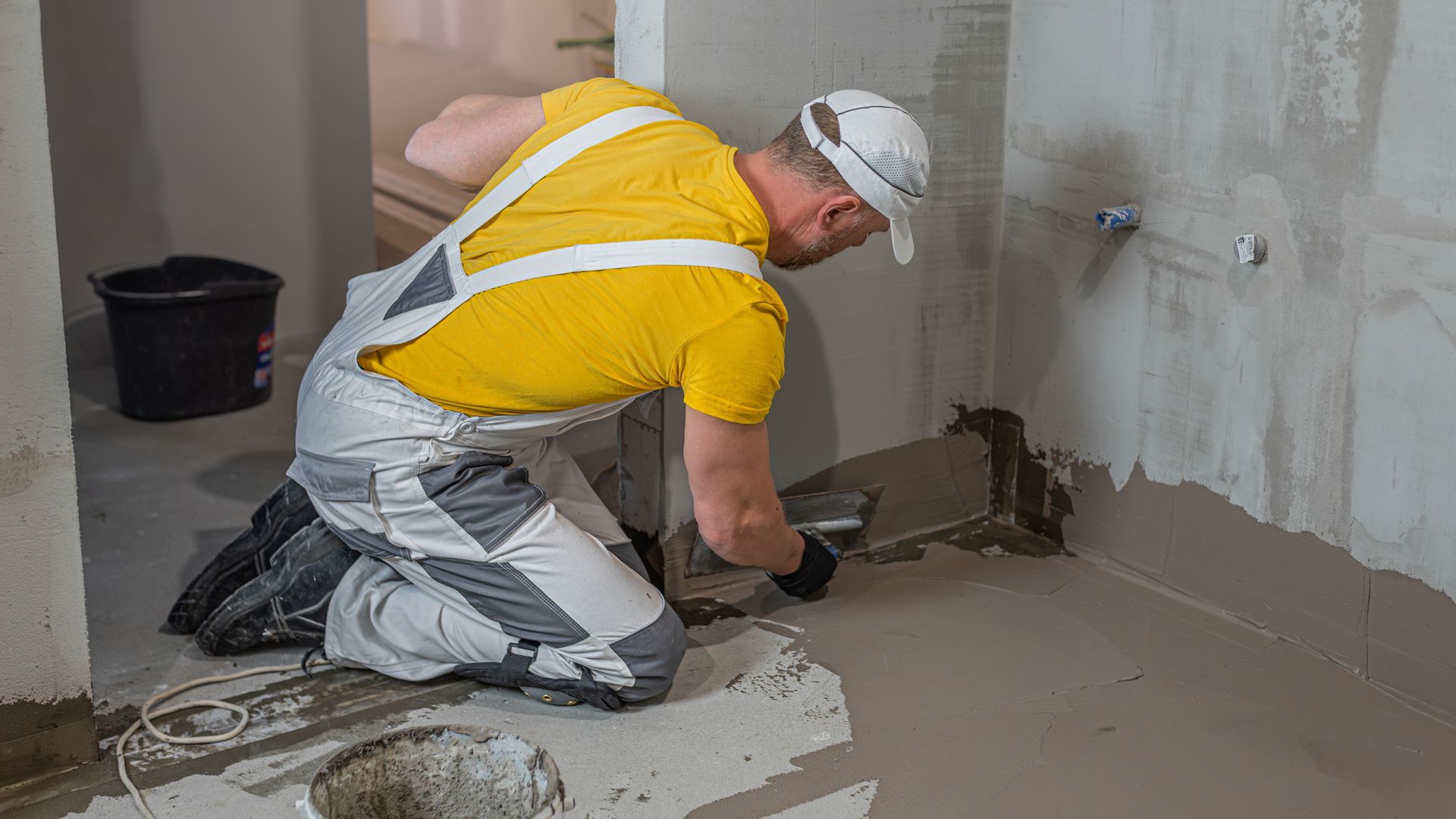
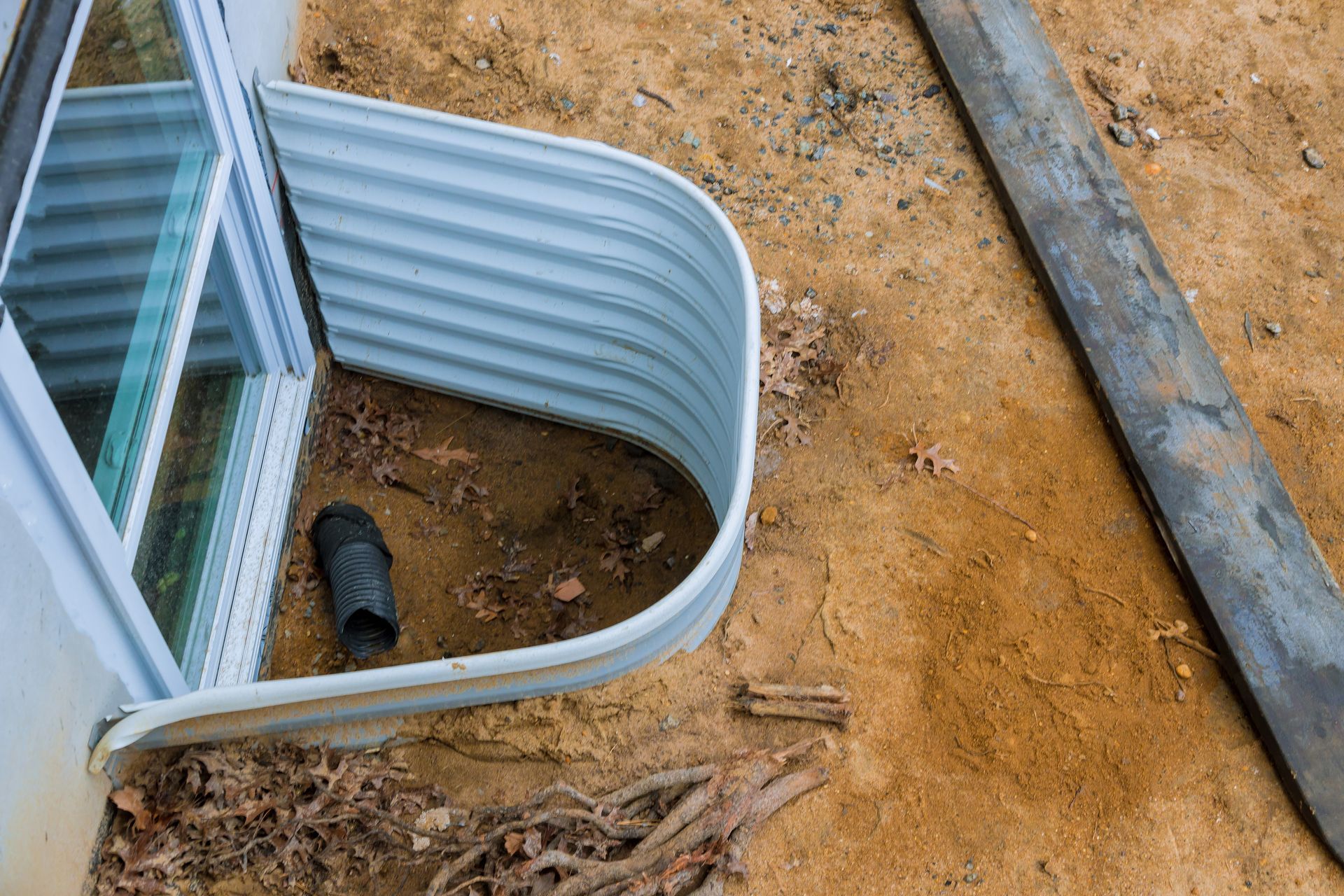
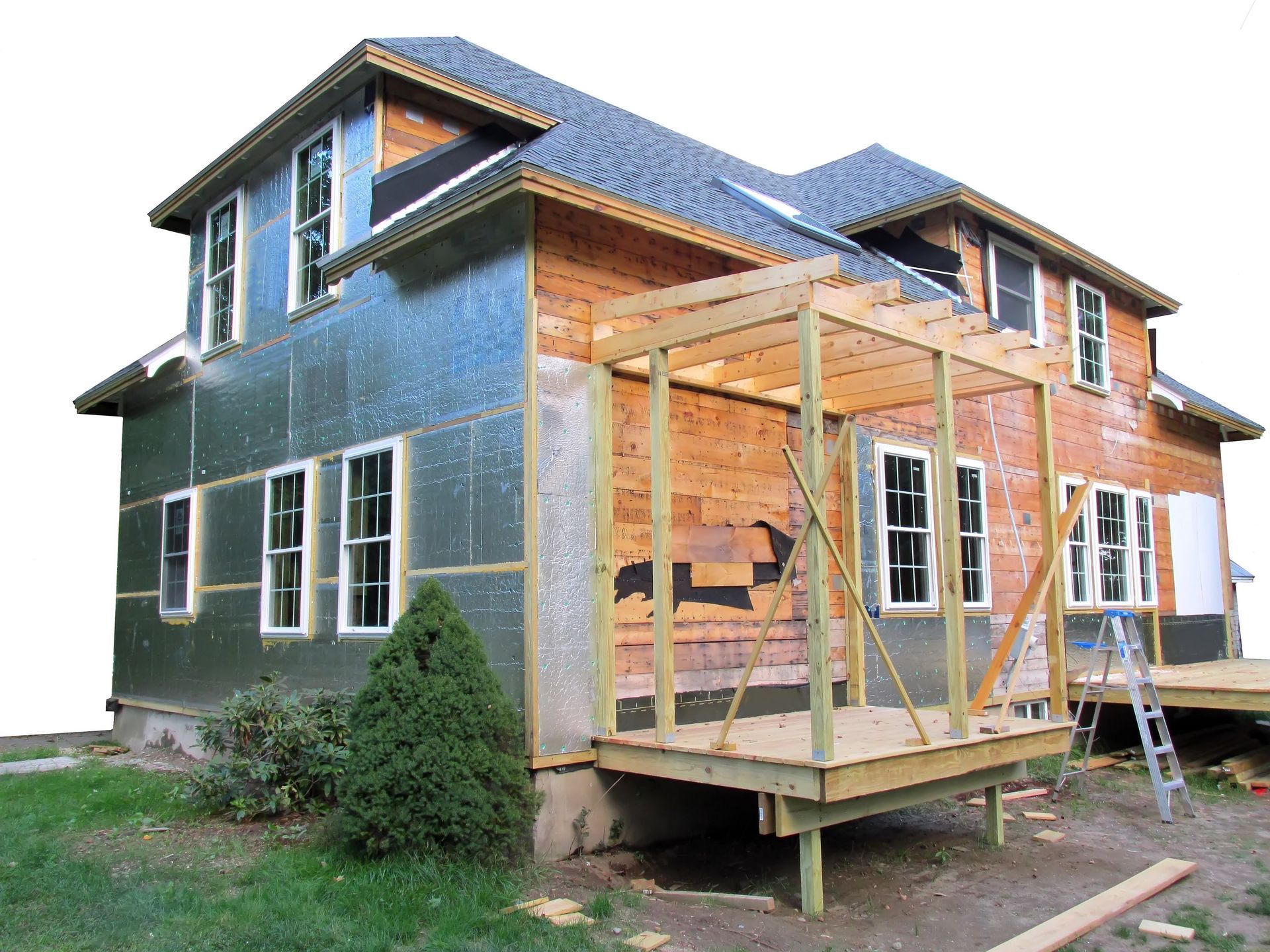
Proper project management means anticipating these weather delays long before they happen. Getting the site excavated, laying the gravel base, and building the forms all take time. We ensure every phase is scheduled tightly so the concrete trucks arrive during the optimal weather window. Our commitment to strict scheduling and quality control extends to every job we take on, from exterior structures to interior bathroom renovations.
Mike and his trades approach every timeline with realistic planning and honest communication. We know that respecting the client's home means finishing the job right the first time.
► Client Experience: We recently had Elevate Design & Build complete a large renovation on three of our bathrooms. Our master bath, kids bathroom and powder room turned out beautiful. Throughout the project Mike and his trades did quality work. His workers were incredibly respectful of us and our home. Mike is quick to respond to calls and is easy to communicate with. I would recommend Elevate and we will definitely be using them agin in the future on other projects. - Kimberly Ross
Knowing you have a reliable team managing the schedule removes the stress of racing against the incoming winter weather.
Getting Your Foundation Poured in Time
Once the ground freezes solid, your outdoor construction plans have to wait for the spring thaw. Managing an outbuilding project efficiently means getting the dirt work and concrete finished while the overnight temperatures remain stable. Reach out to our team to discuss your project timeline and get your site prepped before the winter weather shuts down concrete production.
Share This Blog